
Skip to content
SJF Plastering logo

Sutton, Surrey & South West London

Professional Plastering Services

Internal plastering for walls and ceilings across Sutton, Surrey and South West London — from a single wall to a whole house, finished flat and ready for decorating.

Plastering is the process of applying plaster to walls and ceilings to create a solid, level, paint-ready surface. It can mean applying a backing coat and finish coat to a bare wall, replastering a surface that has failed, or plastering new construction. SJF Plastering carries out internal plastering for homeowners throughout Sutton and the surrounding areas.

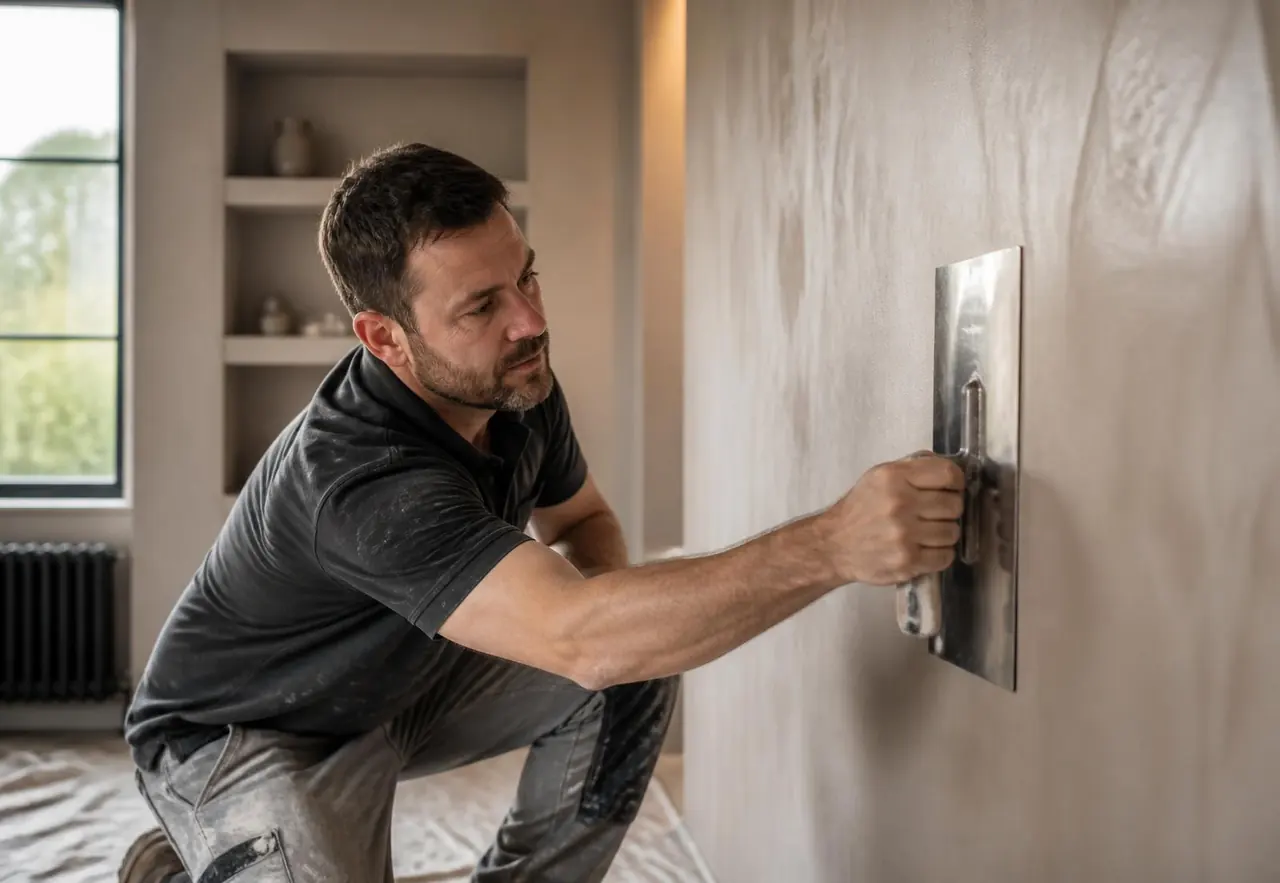
Plasterer applying finish plaster to an interior wall in a Sutton property

When you need plastering

  • Walls have been stripped back and need building up again
  • Old plaster is crumbling, damp-damaged or has lost its bond with the wall
  • A room has been altered — a chimney breast removed, an opening formed, a wall taken out
  • New extensions, loft conversions or garage conversions need finishing internally
  • You are refurbishing a property and want every surface consistent before decorating
  • Multiple layers of old repairs have left walls uneven and unsightly

What you can expect from SJF Plastering

  • A free quotation after we have looked at the work
  • A clear explanation of whether you need a repair, a skim or a replaster
  • Dust sheets, protection and a tidy site each day
  • Realistic timings, including how long the plaster needs to dry
  • Advice on when the room can be decorated

The process

How the work is carried out

  1. 01

    Look at the job

    We visit, check the condition of the existing surfaces and tell you what they actually need — repair, skim or full replaster.

  2. 02

    Protect and prepare

    Floors are sheeted, fittings covered, loose material removed and surfaces treated so the new plaster bonds properly.

  3. 03

    Build the surface

    Backing coats or plasterboard are applied where needed, brought level and left ready for the finish coat.

  4. 04

    Finish and clear up

    Two thin finish coats are applied and trowelled flat as the plaster sets, then the room is cleared and left tidy.

Common problems

Issues this work solves

Uneven, wavy walls

Years of patching, old fixings and successive repairs leave walls that catch the light badly. Replastering resets the whole surface.

Failed original plaster

In older Sutton and Carshalton properties the original coat can lose its key. Once it goes hollow, it needs taking off and rebuilding.

New and old meeting badly

Where an extension meets the original house, differences in level and material show through paint. Plastering ties the two together.

Plastering the right way for the property

The correct approach depends on what is behind the surface. A 1930s semi in Cheam with solid walls and a sand-and-cement backing coat needs something different from a 1990s flat that was dry lined from new, and a Victorian terrace with lath and plaster different again.

We check that first. Getting it wrong is why plaster sometimes fails within a couple of years — new material applied over something that was never going to hold it.

Whole rooms and whole houses

Most of our work is room by room: a lounge before new flooring goes down, a bedroom that has been stripped, a hallway that has taken a beating. We also take on full properties during renovations, working alongside other trades and to a build programme where one is in place.

There is no minimum job. If you only need one wall making good, that is fine — we would rather do a small job well than talk you into a bigger one.

Preparation for decorating

The point of good plastering is what happens afterwards. Flat, consistent surfaces mean less filling, fewer coats and a much better paint finish. We finish surfaces with decorating in mind, including the details that get rushed elsewhere — window reveals, door heads, external angles and the junction with skirtings and cornice.

Frequently asked questions

How long does it take to plaster a room?
A typical single room is usually plastered within one to two days depending on size, ceiling height and how much preparation is required. Larger or heavily damaged rooms take longer, and we will confirm timings with your quotation.
Do I need to move out while plastering is done?
For a single room, no. Plastering is wet work and the room will be out of use for a few days while it dries, but the rest of the house remains usable. For whole-house replastering we will discuss the sequence with you.
Do you plaster new extensions?
Yes. We plaster new extensions, loft conversions and garage conversions, including boarding and skimming, and can tie the new surfaces into the existing rooms.
How much mess does plastering make?
Less than most people expect. We sheet floors, protect what is staying in the room and clear up as we go. Replastering creates more debris than skimming because the old material has to come off.

Get a free plastering quotation

Tell us what needs doing and we will give you an honest price. Photographs by WhatsApp are often enough to get started.

Call nowWhatsAppEmail