
Skip to content
SJF Plastering logo

Sutton, Surrey & South West London

Ceiling Plastering & Repairs

New ceilings, overboarding, cracked and sagging plaster, water damage and old textured finishes — ceiling work carried out cleanly and finished flat.

Ceiling plastering covers skimming existing ceilings, overboarding tired ones with new plasterboard, replacing failed ceilings entirely and repairing cracks, sagging and water damage. Ceilings show imperfections more than walls because light travels across them, so flatness and consistency matter more here than anywhere else in the room.

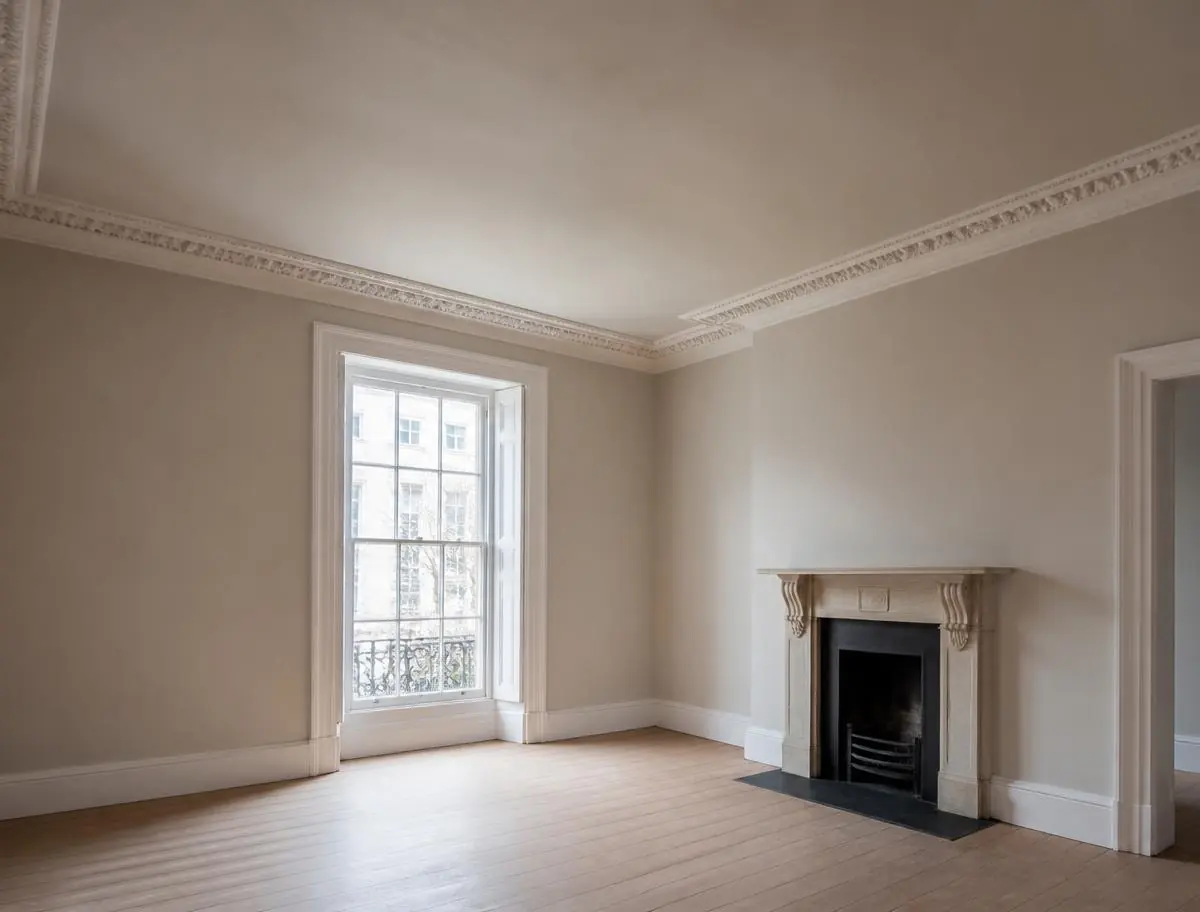
Flat, smoothly finished ceiling in a period property with original cornice

Ceiling problems we deal with

  • Cracks running along board joints or across older plaster
  • Sagging or bulging lath and plaster in period properties
  • Brown staining and flaking after a leak from above
  • Nail or screw popping through the paint surface
  • Dated textured coatings that need flattening
  • Ceilings disturbed by rewiring, downlights or loft work

What you can expect from SJF Plastering

  • A clear recommendation: repair, overboard or replace
  • Thorough protection of the whole room
  • Careful work around cornice, roses and light fittings
  • Debris bagged and removed
  • Free quotations across Sutton, Surrey and South West London

The process

How the work is carried out

  1. 01

    Inspect from below

    We check how sound the ceiling is, whether it is moving, and what it is made of before recommending anything.

  2. 02

    Protect the room

    Ceiling work is the messiest plastering there is, so floors, furniture and doorways are properly sheeted first.

  3. 03

    Repair, overboard or replace

    Depending on condition we make good, fix new board over the top, or take the old ceiling down and board fresh.

  4. 04

    Skim and finish

    The ceiling is skimmed and trowelled flat, worked up to cornice, walls and light fittings neatly.

Common problems

Issues this work solves

Sagging lath and plaster

Over a century the plaster keys behind the laths break and the ceiling drops. Overboarding or replacement is the answer.

Leak damage

The leak must be fixed and the ceiling dried first. We will tell you if it is not ready rather than plaster over damp.

Recurring cracks

Movement between boards or joists needs bridging with scrim, not filler, then skimming across the whole ceiling.

Overboarding versus taking the ceiling down

Overboarding fixes new plasterboard through the existing ceiling into the joists above, then skims the new surface. It is quicker, considerably cleaner and keeps the original ceiling in place — a real advantage in period homes where the old plaster still contributes to the character and integrity of the room.

Where a ceiling is badly sagging, has come away from the laths over large areas, or is soaked through, taking it down is the right call. It is messier and takes longer, but the result is a new ceiling with no legacy problems.

Ceilings in older local properties

Victorian and Edwardian houses across Sutton, Carshalton, Wallington and Wimbledon still have original lath and plaster ceilings, often with cornice and ceiling roses worth keeping. These need judgement rather than a standard approach — protecting the mouldings, deciding what can stay and making sure new work sits level with what remains.

After a leak

The order matters. Fix the source, let the ceiling dry fully, then repair. Plastering a ceiling that is still damp traps moisture, and the stain or bulge will come back through the new finish. We would rather come back in a fortnight than do it twice.

Frequently asked questions

Do plasterers repair ceilings?
Yes. We repair cracked, sagging and water-damaged ceilings, overboard tired ceilings with new plasterboard and skim them, and cover old textured finishes with a flat plaster surface.
Should a sagging ceiling be repaired or replaced?
If the ceiling is largely intact and only slightly tired, overboarding and skimming is usually best. Where it has pulled away from the laths across large areas, replacing it gives a better long-term result.
Can you plaster around original cornice?
Yes. Cornices, roses and picture rails are protected and worked up to carefully. We will discuss exactly what is being kept before starting.
How long does a ceiling take?
Skimming a typical room ceiling usually takes a day. Overboarding and skimming, or removing and replacing a ceiling, will take longer — we will confirm timings when we quote.

Get a free plastering quotation

Tell us what needs doing and we will give you an honest price. Photographs by WhatsApp are often enough to get started.

Call nowWhatsAppEmail