
Skip to content
SJF Plastering logo

Sutton, Surrey & South West London

Wall & Ceiling Skimming

A fresh finish coat over sound existing surfaces — the quickest route from tired, marked walls to a smooth, paint-ready room.

Skimming is the application of a thin finish coat of plaster, usually 2–3mm thick, over an existing sound surface or newly fixed plasterboard. It removes texture, minor damage and general roughness, leaving a flat surface ready to decorate. It is the most commonly requested plastering job in homes across Sutton.

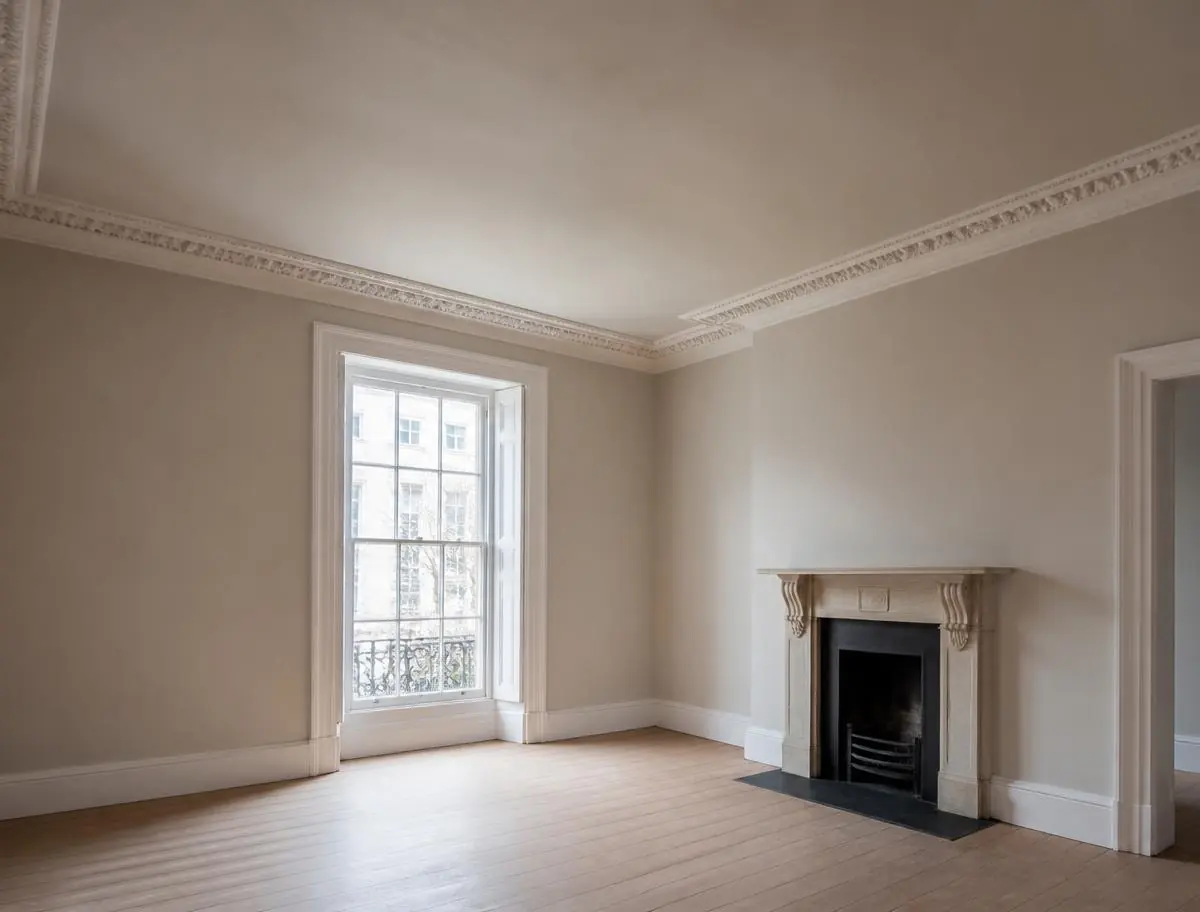
Smooth skimmed walls and ceiling in a period room with original cornice

When skimming is the right choice

  • Walls are sound underneath but marked, scuffed and tired
  • Old wallpaper has been stripped and left the surface rough
  • New plasterboard has been fixed and needs a finish coat
  • A textured or lightly patterned finish needs flattening out
  • Small repairs have been made and the wall needs evening up
  • You want a crisp base before painting a dark or sheen paint that shows everything

What you can expect from SJF Plastering

  • Honest advice on whether skimming alone will hold
  • Rooms sheeted and protected before anything starts
  • Consistent finish across walls and ceilings
  • Guidance on drying time before you decorate
  • A free quotation with no obligation

The process

How the work is carried out

  1. 01

    Check the substrate

    We tap and inspect the surface. Skimming only works over something stable — anything hollow or loose is dealt with first.

  2. 02

    Prepare and seal

    Dust is removed, joints scrimmed and the surface treated with the appropriate sealer or bonding agent to control suction.

  3. 03

    Two finish coats

    The first coat is laid on and flattened, the second applied straight after to fill and refine the surface.

  4. 04

    Trowel up

    As the plaster sets it is trowelled several times to close the surface and leave it smooth, flat and free of ridges.

Common problems

Issues this work solves

Wallpaper damage

Stripping paper often takes surface plaster with it. Skimming covers the whole area rather than leaving patchy filler marks.

Light-catching walls

Modern matt and eggshell paints highlight every ripple. A skim resets the surface so side light no longer shows old repairs.

Fresh plasterboard

New board needs skimming to give a continuous surface without visible joints, screw heads or paper edges.

Skimming only works over a sound surface

This is the single most important point. A skim coat is thin and takes its strength from what is behind it. If the existing plaster is blown, damp or crumbling, the new coat will come away with it — often within months.

You can check yourself: tap the wall with your knuckles and listen. A dull, solid sound is good. A hollow sound means the plaster behind has lost its grip and needs cutting out first.

Skimming ceilings

Ceilings are skimmed the same way but are harder work and show imperfections far more, because light travels across them rather than down them. In older properties around Sutton and Wimbledon we often overboard first, then skim the new board — a cleaner and more reliable result than skimming a century-old ceiling directly.

After skimming

Fresh skim typically dries in around three to seven days depending on ventilation and time of year. Once the surface has gone a consistent pale colour, it takes a thinned mist coat of emulsion, followed by your normal coats.

Do not put a heater against it or seal the room up. Steady airflow and normal warmth give the best result.

Frequently asked questions

How long does skimming take to dry?
Usually three to seven days, depending on the room, ventilation and time of year. It is ready to decorate when the colour is a consistent pale shade with no darker patches.
Can you skim over painted walls?
Often yes, provided the paint is sound and well adhered. The surface is prepared with a bonding agent first. Flaking or unstable paint has to be removed.
Can you skim over wallpaper?
No. Wallpaper should be removed first. Paper can lift once wet plaster is applied over it, taking the new finish with it.
Is skimming cheaper than replastering?
Yes, generally. Skimming uses less material and labour and creates less mess. It is only suitable where the surface underneath is sound, which we will check before quoting.

Get a free plastering quotation

Tell us what needs doing and we will give you an honest price. Photographs by WhatsApp are often enough to get started.

Call nowWhatsAppEmail